Before any concrete is poured or permits are filed, one step can make or break a construction project: soil testing. It details subsurface conditions that influence worker safety, structural design, budgeting, and environmental compliance. For developers, it’s the foundation of a successful build. Soil testing in construction is a critical step before breaking ground, ensuring a solid foundation and providing a baseline study for any materials, such as lead contamination. In this article, we will explore the role of soil testing and why it should be the first step in any successful construction project.
What Is Soil Testing?
Conducting proper soil testing is a critical first step in any successful construction project. It assesses the soil’s hazards, composition, strength, and stability to ensure the site can safely support workers and the planned structure.
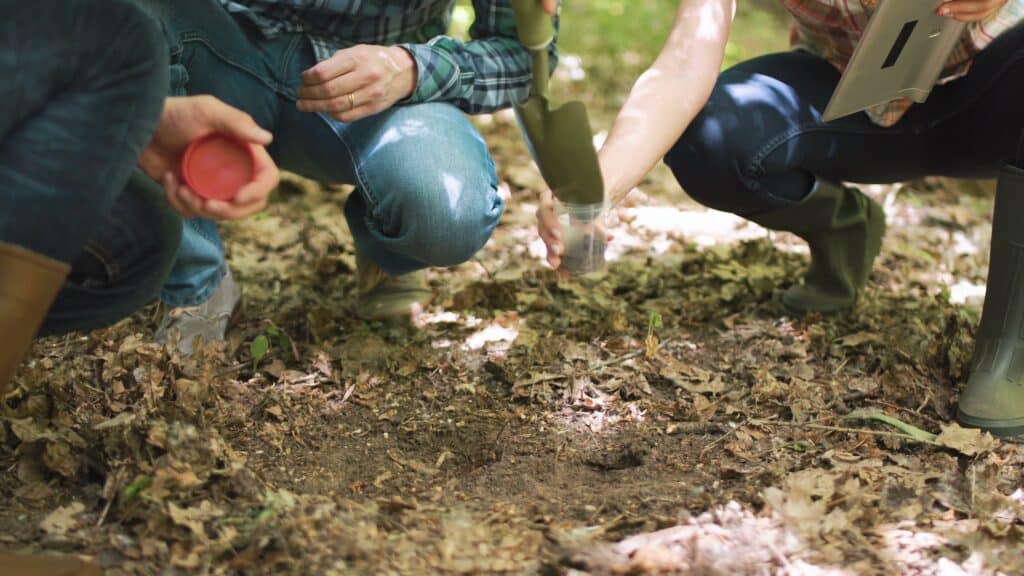
The soil testing process involves factors such as load-bearing capacity, groundwater depth, moisture content, and potential contamination, all of which are critical inputs for foundation design, site preparation, and permitting.
The soil testing process involves collecting soil samples through drilling or boring, followed by lab-based soil analysis. Thorough soil testing helps determine if the soil beneath the project is strong enough to support the proposed structure. Results are summarized in a geotechnical report that allows engineers and developers to make informed, risk-aware decisions early in the construction process.
Why Soil Testing Is Important for Construction Projects
Evan Studley, Sr. Geologist at Soar Environmental, says that soil testing is vital. “Understanding the importance of soil testing is essential for real estate development, as well as for engineers, architects, and project managers who rely on accurate site data to make informed decisions.” That’s what makes soil testing important for the success and safety of any construction site. A comprehensive soil study lays the groundwork for strategic decisions, sound design, and sustainable execution.
Structural & Design Safety
Soil testing is the foundation of safe construction. It helps engineers understand real-world soil conditions, including load-bearing capacity, compaction, moisture content, and overall stability.
With this information, teams can design foundations that are appropriate for the site, whether that means using deeper pilings, slab-on-grade systems, or soil stabilization techniques. For example, discovering expansive clay or loose fill early enables proactive solutions that prevent future problems, such as cracking, uneven settling, or structural failures. By integrating soil data into the design phase, developers can reduce risk, select the most suitable construction materials, and extend the lifespan of the finished building.
Failing to address these conditions due to inadequate soil testing can result in costly structural failures and safety risks down the line.
Regulatory Compliance & Environmental Protection
Studley goes on to say, “Soil testing supports compliance with local, state, and federal regulations, including CEQA, NEPA, and ASTM Phase I/II Environmental Site Assessments. It helps developers identify potential contamination, such as hydrocarbons, heavy metals, or VOCs, before construction begins.”
Early detection allows for remediation planning, protects public health, and prevents regulatory delays, fines, or legal challenges. By confirming soil quality in advance, developers ensure their projects are both environmentally responsible and legally sound.
Cost Efficiency
Early soil testing is a wise investment that prevents costly surprises later. Identifying unstable soil or contamination during planning is far less expensive than addressing it mid-project. For example, remediating contaminated soil during construction can cost two to three times more than handling it before the ground is broken.
Testing also supports accurate budgeting, contractor bids, and project scheduling by providing reliable data upfront. With fewer delays and change orders, developers can keep projects on time and within budget.
Project Timeline Assurance
Permits, inspections, and approvals all hinge on accurate environmental and geotechnical data. Soil testing supports faster approvals by addressing red flags upfront and equipping project teams with the documentation needed for regulatory reviews. Soil test reports provide the technical data necessary for timely approvals and the smooth progression of projects.
Comprehensive assessments, such as Phase I and II Environmental Site Assessments (ESAs), identify potential issues early, before agencies like the Department of Toxic Substances Control (DTSC) or local planning departments intervene. This reduces the risk of construction stoppages and ensures smoother site clearance, excavation, and foundation work.
For example, during the Solano Transit Authority’s geotechnical exploration, Soar’s team delivered fast and accurate soil testing that supported a battery-canopy project in record time.
Types of Soil Tests
Soil testing professionals use a variety of methods to assess a site’s suitability for construction. Standard soil testing methods include:
- Moisture content tests – measure water levels in soil
- Load-bearing capacity tests – determine how much weight the soil can support
- Compaction tests – evaluate how well the soil can be compacted
- Standard penetration tests – assess soil strength and density
- Atterberg limits tests – analyze plasticity and behavior under changing moisture conditions
Together, these tests help identify the soil’s properties, including its strength, stability, and drainage capabilities. This information guides foundation design, supports the use of appropriate construction techniques, and ensures long-term structural integrity.
How Professional Firms Conduct Soil Testing
Soil testing professionals employ a range of techniques tailored to site-specific needs, project scope, and regulatory requirements.
- Geological surveys involve boring and sampling soil to analyze strength, density, and compaction. Topographic data reveals drainage patterns and helps inform grading and foundation plans.
- Groundwater and bedrock studies assess water flow and the depth of bedrock. This helps prevent water intrusion and informs excavation strategies.
- Environmental Site Assessments (Phase I & II) identify contamination risks. Phase I includes historical research and inspection. If needed, Phase II adds testing for soil, vapor, and groundwater.
- Lab analysis and reporting cover contaminants like lead or petroleum. Interpreting soil test results is crucial for identifying the presence of hazardous materials and generating actionable recommendations for remediation, design adjustments, and compliance planning.
Best Practices for Integrating Soil Testing
Soil testing isn’t just a technical task; it’s a strategic decision. The best outcomes come from integrating testing into your early planning process. Construction soil testing plays a vital role in ensuring project success by assessing soil properties, supporting safe building practices, and preventing costly future issues.
A moisture content test provides vital data on water levels that directly impact soil stability and the effectiveness of drainage solutions. Understanding the soil’s bearing capacity is crucial for ensuring the safety of foundation design and construction, as it determines the maximum weight the soil can support and influences critical decisions throughout the project. Let’s discuss how proper soil testing ensures that your project starts on a stable, well-informed foundation.
Start Early
Schedule soil testing as early as the feasibility or due diligence stage, ideally before closing on the property. Early testing helps developers assess not only buildability but also the actual value of the land. For example, a site that appears flat and ready for construction may conceal costly challenges, such as high groundwater, poor load-bearing soil, or past contamination. Discovering these factors before purchase allows for more accurate budgeting, negotiation leverage, or even walking away from a risky deal.
Soil testing at this stage can also improve financing outcomes. Many lenders and investors require a Phase I Environmental Site Assessment (ESA) before approving funds. Showing that you’ve already begun geotechnical testing can instill confidence and expedite approvals. Integrating soil insights into early-stage planning ultimately saves time, money, and stress in the long run.
Hire Qualified Experts
Work with licensed geologists, geotechnical engineers, or environmental consultants with local experience and the necessary certifications (e.g., PG, PE, QSD/QSP). They’ll understand local soil conditions and permitting standards, critical for staying on schedule.
Integrate Testing with Permitting And Remediation
Coordinate soil testing with your environmental review and permitting timeline. If remediation is needed, having the data upfront allows for more cost-effective solutions. Involving environmental consultants early ensures that your project avoids unnecessary delays and remains in compliance.
Use Results to Guide Construction Project Design
Soil test results should actively shape how your project is designed, not just satisfy a checklist. For example, if testing reveals weak or compressible soils, your team may shift from a shallow slab-on-grade to a deep foundation system, such as driven piles. If expansive clay is present, engineers can incorporate moisture barriers or soil stabilization techniques to prevent the soil from shifting over time.
These design changes may incur additional costs upfront, but they often save more in the long run by avoiding structural repairs or lawsuits. Adjusting foundation depth, drainage layout, or even building footprint based on test results ensures your plans are grounded in reality. This kind of responsive, data-driven design helps prevent future complications and builds a stronger case for permitting and investor support.
Summary
Studley sums up the importance of soil testing, “For developers, soil testing is more than a checkbox; it’s a strategic investment that protects your budget, timeline, and reputation. It uncovers hidden risks, ensures regulatory compliance, and lays the groundwork for smarter design decisions.” By identifying site conditions early, you reduce risk, improve efficiency, and avoid costly delays.
Partnering with experienced soil testing professionals sets the stage for a stable, successful build from the ground up. It’s not just about what you’re building, but where and how you build it. Soil testing ensures you do it right the first time.