Nesting birds generate a lot of attention on development sites across California and they often influence schedules, permits, and construction methods.
They’ve become such an environmental focus because they sit at the intersection of environmental law, biological monitoring, and project risk. In California, failure to address nesting birds properly can lead to stop‑work orders, permit violations, and CEQA challenges. When managed early and pragmatically, however, nesting bird constraints are predictable, proportionate, and rarely disruptive.
Soar Environmental Consulting routinely conducts nesting bird surveys as they are a part of our biological resources and construction monitoring services. Here’s a summary of why they’re so valuable by enabling projects to remain compliant.
What Is a Nesting Bird Survey (and Why Is It Required)?
A nesting bird survey determines whether birds are actively nesting within or adjacent to a project site and whether proposed activities could result in disturbance, nest failure, or take. Surveys focus on identifying active nests, assessing risk, and providing defensible recommendations that allow work to proceed in compliance with state and federal law.
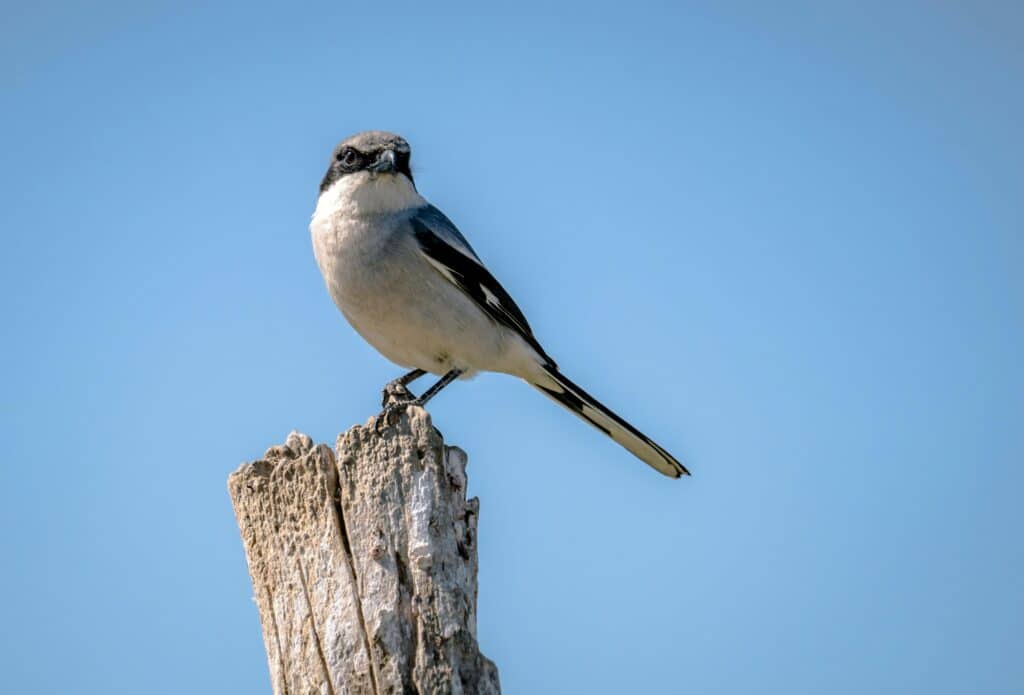
In California, nesting bird surveys are commonly required ahead of grading, vegetation removal, tree trimming, demolition, infrastructure installation, and other ground‑disturbing activities. Even relatively small or previously disturbed sites can support nesting birds if suitable habitat is present.
Rather than preventing development, a nesting bird survey provides clarity. It allows project teams to understand constraints early, coordinate schedules, and avoid reactive decisions once construction is underway.
Why Nesting Birds Carry So Much Weight in California
Nesting birds are afforded strong legal protection under the Migratory Bird Treaty Act (MBTA) and the California Fish and Game Code. These regulations prohibit the take, possession, or destruction of active nests, eggs, and young, and apply to most native bird species.
In practical terms, this means that clearing vegetation or disturbing habitat during the nesting season can expose developers and contractors to enforcement action if active nests are affected. In California, this risk is frequently addressed through conditions of approval, mitigation measures, and monitoring requirements tied to the California Environmental Quality Act (CEQA).
Timing is a key factor. The typical nesting bird season in California generally extends from February through August, although some species may nest earlier or later depending on weather and habitat conditions. This period often overlaps with peak construction activity across the Central Valley, increasing the importance of early ecological input.
From a biological perspective, birds are also valuable indicators of habitat condition and ecosystem health. For this reason, nesting bird surveys are a standard component of biological monitoring and CEQA biological resources assessments.
How Nesting Bird Surveys Work in Practice
Nesting bird surveys are conducted by qualified biologists with experience in California avifauna and regulatory compliance. Surveys typically begin with a review of existing biological data and an assessment of on‑site habitat suitability.
Field surveys involve systematic coverage of the site and surrounding areas, with attention given to trees, shrubs, buildings, and ground‑nesting habitat. Biologists look for direct evidence of nests as well as behavioral indicators such as territorial displays, alarm calls, or adults carrying food.
If active nests are identified, Soar Environmental Consulting Inc. provides clear, site‑specific recommendations. These may include temporary buffers, adjusted work sequences, or monitoring during construction. The emphasis is always on proportionate measures that maintain compliance without unnecessary disruption.
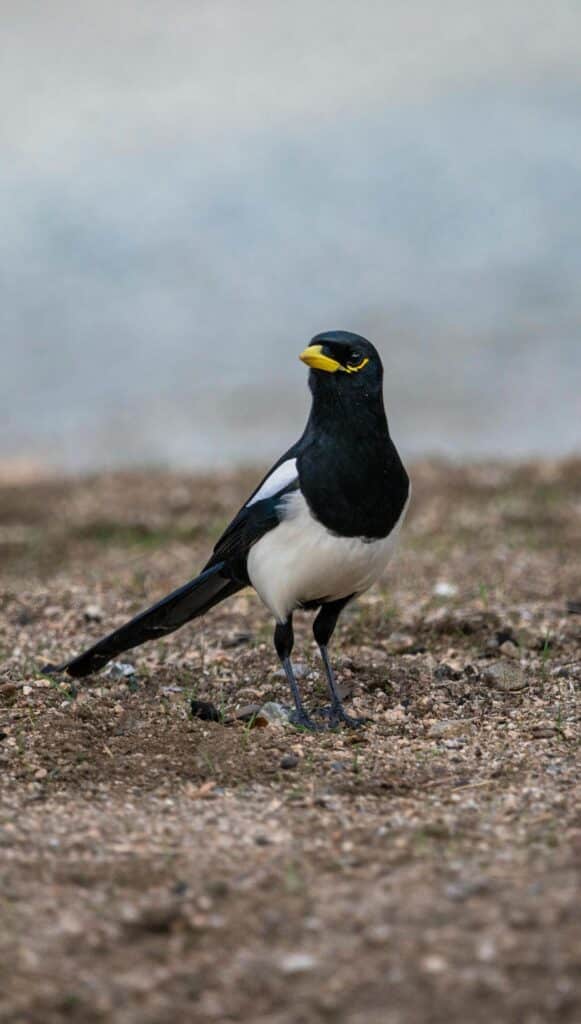
Do All Projects Need a Nesting Bird Survey?
Not every project requires a formal nesting bird survey, but any activity involving vegetation removal or ground disturbance during the nesting season should be evaluated by a qualified biologist. In many CEQA‑regulated projects, nesting bird surveys are required to demonstrate avoidance of significant impacts.
Where feasible, scheduling work outside the nesting season can eliminate the need for surveys altogether. Where this is not possible, surveys provide certainty and help avoid delays caused by unexpected findings once construction has begun.
The Commercial and Regulatory Risk of Overlooking Nesting Birds
Overlooking nesting birds can result in stop‑work orders, permit violations, project delays, and legal challenges under CEQA. What may seem like a minor biological issue can quickly escalate if nests are discovered after work has started.
From a cost and risk perspective, nesting bird surveys represent a relatively small investment. They reduce uncertainty, support defensible decision‑making, and demonstrate due diligence to regulators, lead agencies, and stakeholders.
Nesting Birds and Biological Monitoring
Nesting bird surveys are rarely conducted in isolation. They are often integrated into broader biological monitoring programs that may include pre‑construction clearance surveys, construction monitoring, and post‑construction compliance reporting.
At Soar Environmental Consulting Inc., nesting bird considerations are embedded within the wider biological resources strategy for each project. This integrated approach supports CEQA compliance and helps ensure consistency from permitting through construction.
Nesting Bird Surveys as a Tool for Risk Management
When approached proactively, nesting bird surveys function as an effective risk management tool. They clarify regulatory obligations, identify appropriate avoidance measures, and allow construction teams to plan with confidence.
Early coordination between project managers, contractors, and biologists is critical. By addressing nesting bird issues upfront, projects in the Central Valley and across California can maintain momentum while meeting environmental responsibilities.
Why Work with Soar Environmental Consulting Inc.?
Soar Environmental Consulting Inc. provides practical, science‑based environmental consulting services throughout Fresno, the Central Valley, and California. Our biologists understand both regulatory requirements and the realities of construction and land development.
We deliver clear guidance, defensible documentation, and monitoring services that support compliance without over‑complicating delivery. Our goal is straightforward: protect biological resources while keeping projects on track.
Final Thoughts: Compliance Without Compromise
The attention given to nesting birds in California reflects legal obligations, CEQA requirements, and sound environmental management. With early planning and informed biological monitoring, nesting bird surveys become a routine part of responsible development rather than a last‑minute challenge.