When a project breaks ground, so do the environmental risks. That’s why biological monitoring is more than a box to check. It’s a vital tool for staying compliant and protecting ecosystems. Tracking the organisms that call a site home allows you to gain early insight into environmental changes and potential issues before they become costly problems.
What Is Biological Monitoring?
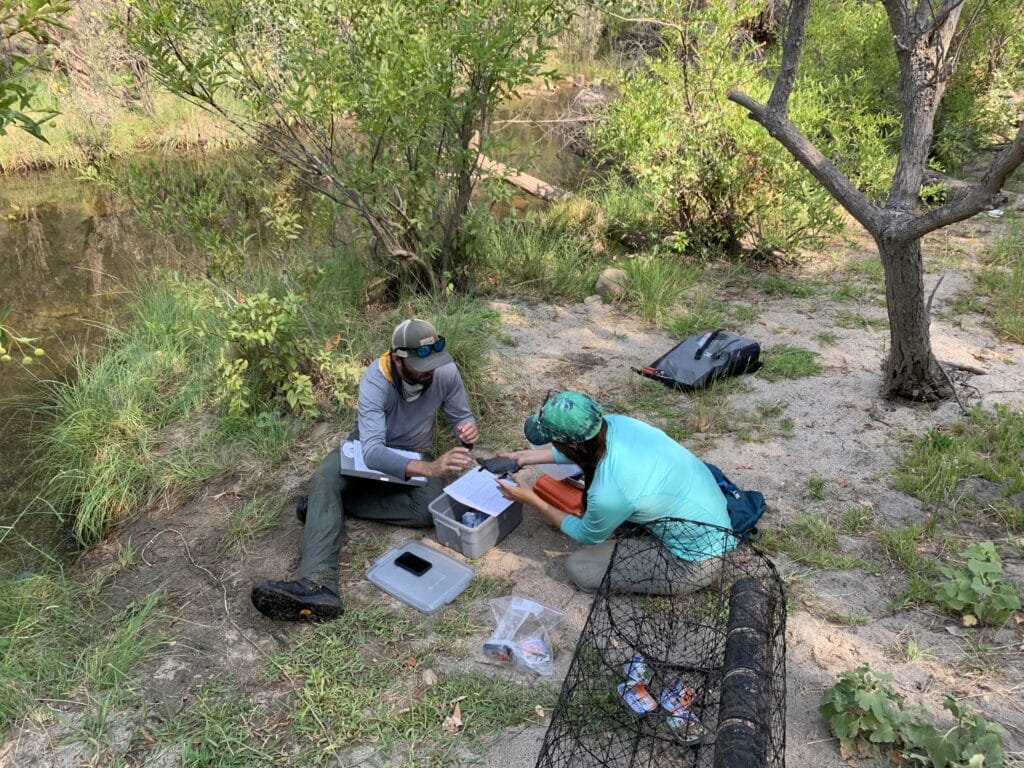
Biological monitoring, also known as biomonitoring, is the process of observing and measuring living organisms in their natural environment to gather data, detect invasive species, and assess changes over time. This process is many times recommended as a mitigation measure by published biological technical reports. This type of monitoring encompasses a wide range of living organisms, including plants, animals, bacteria, and fungi.

To effectively monitor living organisms, it’s essential to understand the key components of a successful program. These include:
- Surveys: This involves systematically counting the number of species present in a specific area. It can be done by visual observation, audio recordings, or collecting physical evidence such as tracks or scat.
- Satellite imagery: Remote sensing technology, utilizing satellites, can provide valuable information on land-use changes and habitat fragmentation.
- Aerial methods: These aerial inspections involve using drones or aircraft to survey large areas and identify wildlife populations.
Regulatory Drivers Behind Biological Monitoring
Soar Environmental Senior Wildlife Biologist, Travis Albert, says, “Biological monitoring is a crucial aspect of construction mitigation measures and environmental conservation. It helps to identify the presence or absence of list species where project development is planned.” While it has been used for many years by scientists and researchers, several regulatory drivers have further emphasized the importance of biological monitoring. This section explores key regulatory drivers behind biological monitoring.
Environmental Laws Requiring Biological Monitoring
These four major environmental laws trigger biological monitoring obligations.
- National Environmental Policy Act (NEPA): NEPA requires federal agencies to consider the potential environmental effects of their actions. As part of this process, an environmental impact statement (EIS) may be required for specific projects, which includes a section on biodiversity and biological resources.
- California Environmental Quality Act (CEQA): Similarly to the National Environmental Policy Act (NEPA), CEQA requires state agencies in California to assess the potential environmental impacts of their proposed projects.
- Endangered Species Act (ESA): Endangered Species Act (ESA): Under the ESA, federal agencies are required to consult with the U.S. Fish and Wildlife Service or the National Marine Fisheries Service if their proposed project may affect threatened or endangered species. These agencies will provide guidance on how to minimize harm and preserve these species.
- Clean Water Act (CWA): The CWA requires permits for any projects that involve dredging or filling in waters, including wetlands. These environmental permits must address potential impacts to water quality, aquatic life, and other protected resources.
Monitoring in Environmental Impact Assessments and Permits
This type of monitoring involves studying the biological conditions in the area where a project is proposed, including the plant and animal species present, their habitats, and potential impacts on these species. In EIRs (Environmental Impact Reports), EISs (Environmental Impact Statements), and MMRPs (Mitigation Monitoring and Reporting Programs), biological monitoring data are utilized to assess the potential environmental impacts of a project.

How Biological Monitoring Supports Environmental Compliance
Albert says, “Biological monitoring is a vital component of environmental compliance and is often required for projects that have the potential to impact the environment. It involves collecting data on various species and their habitats, as well as evaluating the potential effects of a project on these ecosystems.” In this section, we will explore how biological monitoring supports environmental compliance in more detail.
Measuring the Effectiveness of Mitigation Measures
The monitoring process not only helps to ensure that ecosystems are being adequately protected but also provides valuable information on the overall success of mitigation efforts. By measuring specific indicators, such as species diversity, habitat quality, water quality, population exposure, and overall population health, biological monitoring enables us to understand how our actions are impacting the environment and whether adjustments to our mitigation strategies are necessary.
Early Detection of Ecological Disruptions
One of the key benefits of biological monitoring is its ability to provide real-time or near-term data on ecological disruptions. We can detect changes in species diversity, habitat quality, water quality, or other environmental factors, and we can take immediate action to address these issues before they escalate into more serious problems. Early intervention helps minimize adverse environmental impacts and prevent further damage.

Real-World Benefits: Project Success Through Monitoring
Although sometimes viewed as a burden, monitoring plays a critical role in achieving project success. In this section, we will examine how effective monitoring practices can yield positive outcomes for projects.
Enhancing Public Trust and Community Relations
The implementation of transparent environmental practices not only promotes sustainability and compliance but also plays a crucial role in building trust and positive relations with the public. By openly communicating about ecological impacts and proactive measures taken to mitigate them, stakeholders can establish themselves as responsible and trustworthy partners within their communities. In turn, this can lead to increased support and cooperation from residents, advocacy groups, and other stakeholders who value sustainable development.
Long-Term Cost Savings Through Proactive Management
Investing in proactive environmental management practices can bring long-term cost savings for both businesses and communities. Implementing robust monitoring systems and regularly assessing ecological impacts allows companies to identify potential issues early on and take corrective action before they become significant problems. It not only reduces the risk of costly legal battles or remediation efforts but also helps minimize negative impacts on the environment and surrounding communities. Additionally, effective monitoring can help identify compliance gaps early on, allowing for necessary corrective action to be taken and avoiding potential legal ramifications.
Best Practices for Biological Monitoring
Biological monitoring is an essential tool for understanding the impact of human activities on the environment and for developing comprehensive management strategies. Here, we will explore some of these challenges and discuss best practices for conducting effective biological monitoring.

Managing and Interpreting Monitoring Data
Without proper organization and quality control, even the most thorough monitoring efforts can fail to meet their intended goals. Implementing best practices for data management, such as standardized data entry protocols, cloud-based storage systems, and robust GIS mapping tools, ensures that the data collected remains accurate, accessible, and valuable throughout the project lifecycle. These practices allow teams to easily identify compliance trends, generate timely reports, and respond quickly to environmental changes.
Best Practices for Building a Reliable Monitoring Program
One key aspect is selecting the appropriate methodology for data collection and data analysis. It involves understanding the specific goals and objectives of the program, as well as considering the capabilities and limitations of the chosen methods and the need for accurate statistical analysis. Additionally, consistency is essential for accurately tracking changes over time, which includes using standardized protocols, equipment, and techniques throughout the program’s duration. Effective communication with stakeholders, including scientists and resource managers, is vital for obtaining support and feedback on the monitoring efforts.
The Importance of Qualified Experts and Lifecycle Integration
Qualified experts, such as environmental consultants, play an essential role in the successful monitoring of ecosystems. Trained biologists possess the necessary knowledge and skills to collect and analyze data accurately, ensuring that monitoring efforts are effective and practical. Additionally, qualified experts can provide valuable insights and recommendations based on their expertise, informing resource management decisions for project teams and stakeholders. Furthermore, it is vital to integrate monitoring efforts throughout all project phases, from planning to implementation and evaluation. This ensures that monitoring design and strategies are aligned with project goals and objectives, ensuring teams focus on the data needed for compliance, reporting, and adaptive management.
Summary
Biological monitoring is a vital aspect of ecosystem management and conservation efforts. It allows us to gather valuable data on the health and well-being of various species and their habitats, supporting a continuous learning process that leads to more informed decisions for better management and protection.
Proactive compliance with environmental regulations is essential in ensuring the long-term sustainability of our natural resources. Instead of waiting for adverse impacts to occur before taking action, we must incorporate monitoring into all stages of project planning and implementation. This proactive approach can prevent irreversible damage and effectively manage potential risks.