For developers across California, regulatory compliance is no longer something that happens after a project concept is approved. In 2026, California Environmental Quality Act (CEQA) requirements continue to shape project timelines, financing, permitting strategies, and community engagement from the earliest planning stages.
At the same time, recent legislative updates, evolving court interpretations, and expanded public scrutiny are changing how developers approach project review. The result is a more complex landscape where early planning, accurate documentation, and coordinated compliance strategies have become essential for keeping projects moving.

The good news is that project teams that understand how CEQA is evolving are often able to reduce schedule setbacks, improve permitting outcomes, and lower long term project risk.
Here is what developers need to know about CEQA in 2026 and how to stay ahead of the process.
Why CEQA Still Matters in 2026
CEQA remains one of California’s most influential environmental laws because it requires public agencies to evaluate and disclose the environmental impacts of discretionary projects before approvals are granted.
That process affects a wide range of developments, including:
- Renewable energy facilities and clean energy infrastructure
- Transportation, utility, and large-scale infrastructure projects
- Public agency construction and capital improvement projects
- Mixed-use redevelopment and private land development
- Commercial and industrial developments
- Residential housing and infill projects
For developers, CEQA is not simply a paperwork exercise. Environmental review decisions can affect permitting timelines, project costs, investor confidence, and legal exposure.
In many cases, CEQA requirements also intersect with federal project review under the National Environmental Policy Act (NEPA), especially when federal funding, permits, or jurisdictional waters are involved.
The projects that move forward most efficiently in 2026 are typically those that integrate project planning into early project design rather than treating compliance as a last minute requirement.
Legislative Changes Continue to Reshape CEQA
One of the biggest trends developers are seeing in 2026 is the continued push toward targeted CEQA streamlining.
California lawmakers have increasingly focused on accelerating projects tied to housing, clean transportation, climate resilience, and infrastructure modernization. Recent legislation has expanded exemptions and clarified review pathways for qualifying developments.
Senate Bill 71 is one example of this broader trend. The legislation expanded and extended CEQA exemptions for certain transit and transportation projects through 2040. The law also broadened exemptions to include operational transit improvements and modernization efforts, helping agencies reduce unnecessary schedule setbacks while still maintaining environmental oversight.
California has also continued to expand and streamline pathways for housing, climate resilience, and infill development projects. Recent legislative efforts, including housing and infrastructure streamlining measures tied to broader CEQA reform discussions such as AB 130 and SB 131 proposals, have focused on reducing procedural barriers for qualifying housing developments, clean energy infrastructure, and projects aligned with state climate goals. These reforms reflect a broader statewide push to accelerate development while maintaining appropriate environmental protections.
For project teams, this means CEQA strategy in 2026 is no longer only about compliance. It is also about understanding where streamlining opportunities may apply and how evolving legislation can influence project delivery timelines.
For developers and project sponsors, these changes signal an important shift. The state is looking for ways to balance environmental protection with project delivery efficiency.
However, exemptions are not automatic.
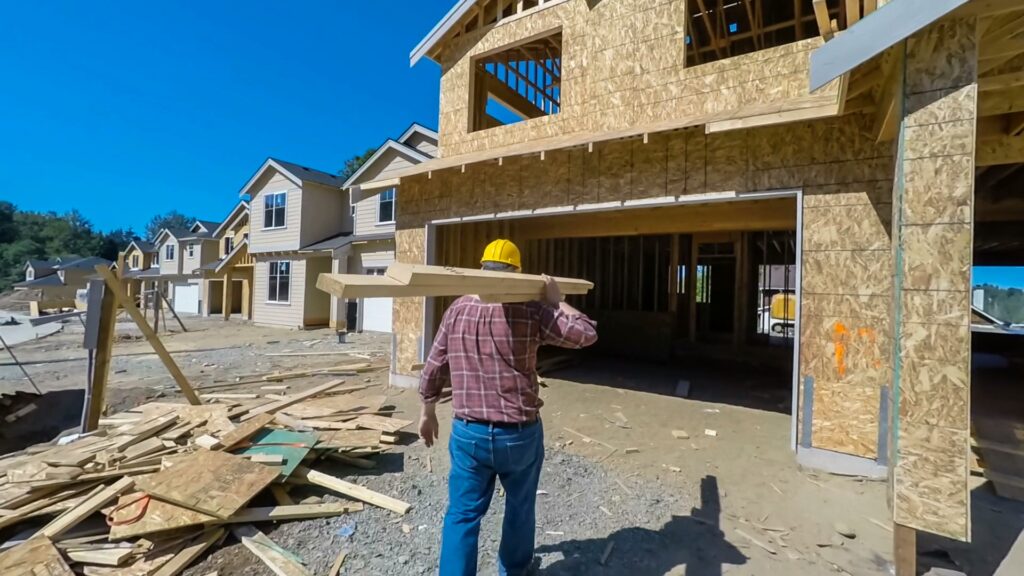
Each project still requires careful evaluation, documentation, and coordination with agencies to determine eligibility. Misapplying an exemption can expose a project to legal challenges and setbacks in the permitting schedule.
That is why legislative awareness has become a competitive advantage for developers operating in California.
Environmental Review Is Becoming More Strategic
In previous years, many developers approached CEQA review as a linear process that happened after land acquisition and conceptual planning.
In 2026, that approach creates unnecessary risk.
Environmental review is increasingly being treated as a strategic planning tool that helps developers identify issues early, improve project design, and avoid downstream conflicts.
Early environmental screening can identify concerns related to:
- Biological resources, wetlands, and waters of the United States
- Tribal cultural resources and sensitive land use considerations
- Air quality, greenhouse gas emissions, and wildfire risk
- Traffic, noise, and infrastructure impacts
- Hazardous materials, contamination, and soil conditions
Developers who identify these constraints during due diligence are often better positioned to adjust site plans, budget accurately, and coordinate with agencies before formal review begins.
This proactive approach also reduces the likelihood of costly redesigns later in the process.
Biological Resources and Nesting Bird Constraints
Biological resource impacts continue to receive significant scrutiny under CEQA.
Even projects located in disturbed or urbanized areas may require biological surveys if habitat conditions support protected species.
Nesting bird surveys, habitat assessments, wetland delineations, and species monitoring programs are now common components of California land development projects.
Nesting birds remain a particularly important issue because they are protected under both the Migratory Bird Treaty Act and the California Fish and Game Code. Construction activities that disturb active nests can result in stop-work orders, permit complications, and legal exposure.
The typical nesting season in California generally extends from February through August, although seasonal conditions may vary.
In practice, project teams that coordinate biological surveys proactively are often able to avoid unnecessary schedule setbacks. In some cases, scheduling vegetation removal outside nesting season windows can eliminate the need for additional monitoring altogether.
Biological monitoring is also becoming more integrated into broader mitigation and regulatory programs. Compliance professionals increasingly use monitoring data to verify the effectiveness of mitigation measures, support reporting obligations, and document ongoing compliance throughout construction.
Biological resource review has become a routine part of proactive project planning in California, especially for infrastructure, renewable energy, and land development projects.
Litigation Risk and Defensible Documentation
Legal challenges continue to affect projects across California, particularly when technical studies are incomplete, mitigation measures are poorly supported, or public concerns are not adequately addressed.
Common litigation concerns often involve:
- Biological resource impacts
- Traffic and transportation concerns
- Air quality and greenhouse gas emissions
- Tribal consultation and cultural resources
- Water supply and infrastructure capacity
- Inadequate alternatives analysis
- Cumulative impact evaluations
Reducing litigation exposure starts with clear technical documentation, organized agency coordination, and early identification of project constraints during planning.
Technology and Data-Driven CEQA Planning
Environmental consulting and CEQA planning are becoming increasingly data driven.
In 2026, project teams are using advanced technologies to improve site analysis, reduce uncertainty, and support more efficient permitting strategies.
Modern tools such as GIS mapping, drone surveys, LiDAR imaging, and spatial analysis allow consultants to identify environmental constraints earlier and provide agencies with clearer technical documentation during review.
These technologies are also helping improve communication between developers, agencies, and stakeholders by providing more accurate visual data and site modeling throughout project planning.
UAV and Drone Surveys
Drone inspections allow environmental teams to quickly evaluate large or difficult to access sites while collecting high resolution imagery.
These surveys are commonly used for:
- Habitat assessments
- Vegetation mapping
- Infrastructure corridor inspections
- Drainage evaluations
- Construction monitoring
Drone technology also improves project safety by reducing the need for personnel to enter hazardous terrain.
GIS Mapping and Spatial Analysis
Geographic Information Systems (GIS) help project teams organize environmental data, identify site constraints, and evaluate cumulative impacts.
GIS mapping improves communication between developers, consultants, agencies, and stakeholders by providing visual representations of environmental conditions and permitting requirements.
LiDAR and Advanced Imaging
LiDAR technology is becoming more common in large scale development and infrastructure projects because it provides highly accurate terrain and elevation data.
This information supports:
- Drainage analysis
- Floodplain evaluations
- Slope stability assessments
- Site grading plans
- Infrastructure routing
The combination of aerial data, GIS mapping, and field validation is helping project reviews become more accurate and efficient.
Public Engagement Matters More Than Ever
Public participation remains a central part of the CEQA process.
Community concerns can significantly influence project timelines, especially in areas where housing growth, transportation expansion, or infrastructure development are controversial.
In 2026, project teams that treat public engagement as a proactive strategy rather than a regulatory obligation often see better outcomes.
Transparent communication helps:
- Build community trust
- Reduce misinformation
- Identify concerns early
- Improve project design
- Lower the risk of organized opposition
Developers should be prepared to explain how projects address environmental concerns such as traffic, noise, emissions, habitat protection, and sustainability measures.
Strong communication also demonstrates professionalism and accountability during agency review.
Environmental Permitting Is More Layered
Another major challenge in 2026 is the growing complexity of environmental permitting coordination.
Most projects now involve multiple agencies operating at the local, state, and federal levels.
A single development may require coordination with:
- City planning departments
- County agencies
- Air quality districts
- Regional water boards
- California Department of Fish and Wildlife
- U.S. Army Corps of Engineers
- U.S. Fish and Wildlife Service
- Tribal representatives
Each agency may have its own review timeline, permitting requirements, and technical standards.
This layered process increases the importance of proactive coordination and organized project management.
Developers who begin agency outreach early are often able to reduce review conflicts, streamline permitting schedules, and avoid duplicative studies.
Soil and Site Conditions Continue to Affect CEQA Review
Environmental due diligence in 2026 increasingly includes geotechnical and contamination analysis during early feasibility stages.
Soil testing can identify:
- Contamination from prior land uses
- Groundwater issues
- Expansive soils
- Load bearing limitations
- Hazardous materials
- Vapor intrusion concerns
These conditions may influence both CEQA analysis and project design.
For example, contaminated soil discovered late in construction can significantly increase remediation costs and delay permitting.
Developers who complete early site investigations are generally able to make more informed acquisition and design decisions while improving financing confidence.
Best Practices for Developers Navigating CEQA in 2026
The most successful development teams are approaching CEQA as part of a broader risk management and planning strategy.
Key best practices include:
Start Environmental Review Early
Environmental constraints identified during due diligence are easier and less expensive to address than issues discovered during active permitting or construction.
Build the Right Consultant Team
Qualified environmental planners, biologists, geologists, and permitting specialists play a major role in producing defensible environmental documentation.
Maintain Strong Documentation
Clear records, organized technical studies, and consistent communication help reduce permitting disputes and legal vulnerabilities.
Coordinate With Agencies Early
Early outreach often improves permitting timelines and reduces regulatory surprises later in the process.
Stay Current on Legislative Updates
California environmental law continues to evolve. Developers who stay informed about new exemptions, court decisions, and policy changes are better positioned to identify opportunities for streamlining.
Final Thoughts
CEQA in 2026 continues to shape how development projects move forward across California.
While regulatory requirements remain complex, project teams that plan proactively are often better positioned to reduce risk, improve permitting certainty, and maintain project momentum.
The most successful developments are typically those that integrate biological review, permitting strategy, technical studies, and agency coordination early in the process rather than reacting to issues after approvals are underway.
As California continues balancing growth, infrastructure investment, renewable energy expansion, and environmental protection, CEQA will remain a central part of responsible land development.
If your project requires CEQA support, environmental permitting, biological surveys, technical studies, or compliance strategy, Soar Environmental Consulting provides practical, science-based solutions designed to keep projects moving efficiently.
Our team works with developers, agencies, infrastructure providers, and real estate professionals across California to reduce uncertainty, avoid unnecessary schedule setbacks, and support defensible project delivery from planning through construction.