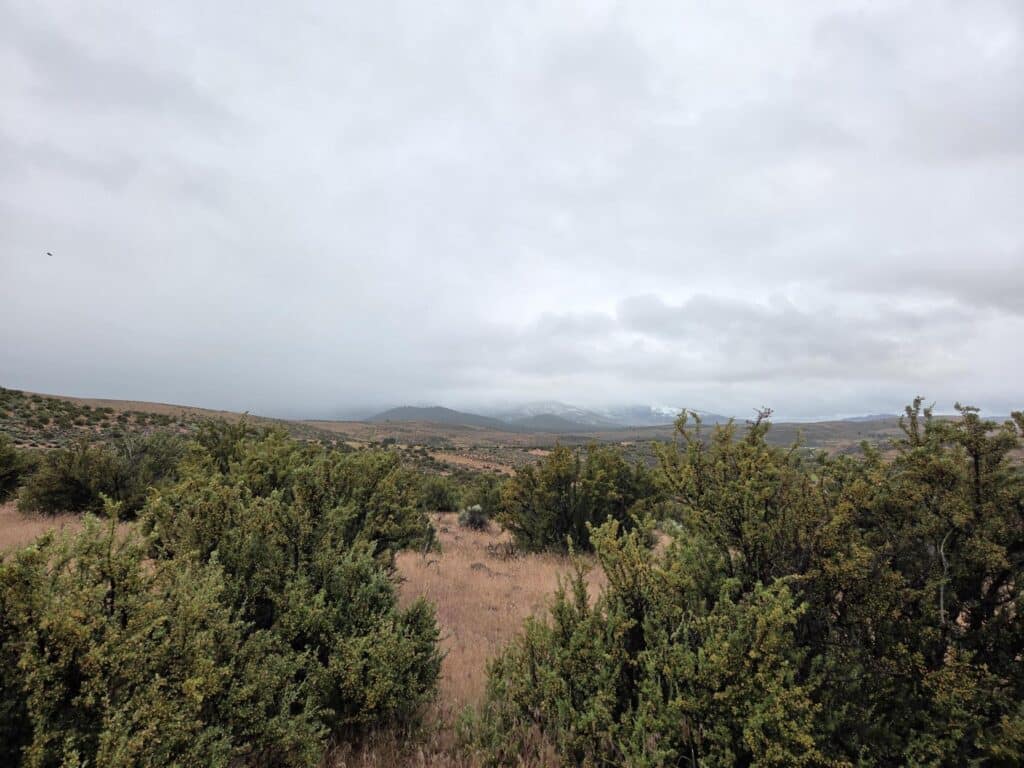
By the time excavators, subcontractors, access plans, and construction schedules are lined up for a large project in California, changing the work area can disrupt the schedule and create added costs. Pre-construction surveys give your team site-specific information while there’s still room to adjust plans before crews mobilize. Some surveys also need to take place within a specific period before construction starts, making survey scheduling an important part of project planning.
Depending on the project, fieldwork may address biological resources, cultural resources, wetlands, soil conditions, hazardous materials, or other environmental concerns.
For large developments, public works, and infrastructure programs, early survey work can influence where construction happens, which permits apply, and what needs to happen before a segment can proceed.
At Soar Environmental Consulting, our field teams can coordinate survey work around the project footprint and planned construction activities.
The Project Footprint Sets the Survey Scope
Survey boundaries should account for every area the project may disturb. Access roads, staging areas, trench routes, grading limits, and vegetation removal can all increase the area that needs review.
Environmental site surveys document conditions in and around those areas. A pre-construction environmental assessment can then help determine what fieldwork is needed and whether nearby resources could affect planned work.
For projects subject to state or federal environmental review, our CEQA/NEPA consulting team can connect survey findings to the studies and plans used during review. If a survey changes a work boundary or calls for more analysis, the project team can update those materials to reflect the site conditions.
Survey findings can also affect agency approvals. Bringing environmental permit services in early gives the team better site information for agency coordination and permit applications.
Early Studies and Pre-Construction Surveys Serve Different Purposes
Early studies help inform design, environmental review, and permitting requirements. Some pre-construction surveys check conditions within a specified period before ground disturbance begins, accounting for changes between an earlier assessment and the start of construction. Survey timing varies by project and depends on applicable permits, approval conditions, and survey protocols.
Biological Resource Surveys Depend on the Site and the Season
Biological resource surveys can identify habitats, nesting activity, and potential wetland areas. They can also identify special-status species, which are plants or wildlife that may receive added attention because of legal protections, rarity, or conservation concerns.
Some plants and wildlife can only be surveyed reliably during certain times of year. Some plants may be identifiable during only part of their growth or bloom cycle. Similarly, wildlife surveys may need to occur during breeding periods or other seasonal activity.
The required field window may also depend on species-specific survey protocols, which may set the timing, methods, or number of visits needed for certain surveys.
Cultural Resources Can Affect Where Ground Disturbance Happens
Projects involving trenching, excavation, grading, utility installation, or other ground disturbance may need cultural resource surveys before construction. The work might include records research, pedestrian field surveys, site documentation, and evaluation of areas with archaeological or historic potential.
A finding near a planned trench or grading limit can affect work areas, monitoring needs, or procedures crews must follow during excavation. In some cases, archaeological consulting continues into construction through monitoring or follow-up documentation.
Section 106 may also apply when a federal agency funds, permits, approves, or carries out a project that could affect historic properties. These federal review requirements can add consultation and documentation steps to projects with federal involvement.
Past Land Use Can Change What Needs Investigation
A site’s history can change the questions field teams need to ask before soil is disturbed. Prior agricultural, industrial, railroad, and mining uses may point to contamination, buried materials, or soil and groundwater conditions that need a closer look.
Environmental due diligence reviews a site’s history and current conditions before major project commitments are made. Due diligence can help your team identify concerns before major acquisition, design, and construction decisions are finalized.
Past agricultural use, for example, may warrant added attention to residual chemicals in soil. Former industrial or transportation sites may call for investigation of fuels or metals associated with earlier operations.
Geological services can help evaluate the soil, groundwater, and runoff conditions that may affect excavation, grading, or drainage planning.
When contamination is present or suspected, hazardous waste consulting may include investigation, waste characterization, or storage planning before affected soil or materials are disturbed.
When Pre-Construction Survey Findings Change the Plan
A pre-construction survey finding can affect the project in several ways, depending on the resource and where it falls within the planned work area. A project team may need to adjust a work limit, complete additional fieldwork, add monitoring, or change the procedures crews follow in a specific area.
Some findings can be addressed through relatively small changes. Moving an access route away from a sensitive area or adjusting the limits of vegetation removal may allow work to continue with fewer added requirements. Other findings may need agency coordination or additional review before the affected work can move forward.
When these conditions are identified before construction, designers, environmental staff, and construction managers can compare possible changes before equipment and crews are committed to a particular approach.
Good Survey Documentation Has a Job After Fieldwork Ends
Field observations need to become project information that planners, permitting teams, engineers, contractors, and field staff can use. Documentation may include:
- Mapped survey coverage
- Site and aerial photographs
- GPS points and mapped resource locations
- Access limitations
- Notes showing how a finding relates to the planned work area
The record should make it easy to see where a requirement applies and what needs to happen next.
As construction begins, environmental inspections can help verify field conditions and whether crews are following the requirements tied to each area. Consistent records are especially useful when several contractors or crews move through the same project over time.
Long Utility Corridors Need Segment-by-Segment Survey Planning
Utility corridor surveys carry an added coordination challenge because site conditions can change repeatedly along the alignment. A long fiber, transmission, pipeline, or water project may cross different habitat types, waterways, rights-of-way, land ownership, cultural resource areas, and agency jurisdictions.
Requirements can also change from one segment to the next. One area may need biological monitoring, while another may require cultural resource procedures or a wetland delineation. Access conditions and agency approvals may vary again farther along the route.
For major utility projects, utilities consulting helps connect environmental requirements to the specific construction segments where they apply. Project teams need to know which fieldwork, monitoring, or approvals are required before crews enter each area.
Mapped work limits and segment-specific field notes can then give construction managers and field crews the location-specific information they need before work begins.
Start Pre-Construction Surveys While the Project Still Has Options
Starting pre-construction surveys while your project still has design and schedule flexibility gives your team more room to account for environmental constraints in work limits, permitting, and construction plans. Strong field information before crews arrive can also reduce questions that might otherwise surface once work is underway.
You don’t need to have every project detail finalized before contacting us. We can help you identify what information and survey work may be needed. For an initial discussion, share whatever you have available:
- Project location and preliminary footprint or alignment
- Proposed activities, such as vegetation removal or ground disturbance
- Anticipated construction start date and project phases
- Existing environmental reports, permits, or approval conditions
- Known access limitations or sensitive resources
If some of those details are being developed, our team can help identify the next steps.
At Soar Environmental Consulting, our veteran-owned team supports large developers, utilities, infrastructure organizations, and public agencies throughout California. We’re also a California-certified DVBE and federally certified SDVOSB. Contact our team to discuss the pre-construction survey needs for your next project.