If you’re planning a large California project, starting new construction between October and January can create a useful opening for early site work. During these months, you may be able to complete approved vegetation removal and access preparation with less exposure to seasonal biological conflicts that can interrupt a construction schedule.
California construction timing still depends on permit conditions, resource surveys, and weather and site constraints. However, early environmental support can connect those requirements to the work sequence before crews mobilize.
Soar Environmental Sr. Marketing Manager Jon Sarquis says planning is everything: “A well-planned fall construction start can protect your budget and schedule. It can reduce avoidable downtime and remobilization while giving contractors a clearer path through the first stages of work.”
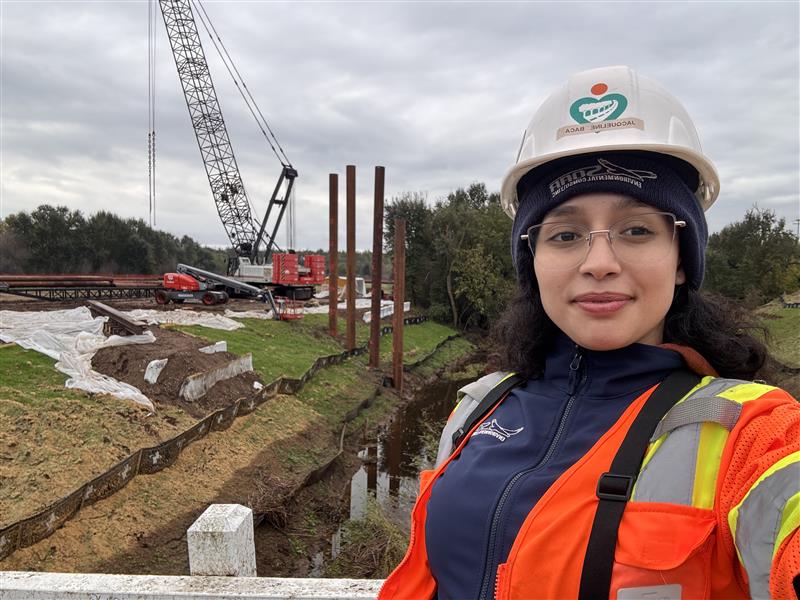
How Starting New Construction From October to January Can Lower Seasonal Costs
Vegetation removal and clearing can expose a project to seasonal restrictions before the main construction phase is fully underway. Access preparation and some forms of ground disturbance can create similar timing issues.
When sensitive early work happens during the right seasonal window in California, your team may have fewer reasons to shift crews around restricted areas or return later to finish incomplete work. Once equipment is delivered and subcontractors have committed to specific dates, it’s much harder to adjust.
Project approvals still control what can happen in the field. Early CEQA and NEPA coordination can identify mitigation measures or review commitments that affect the sequence.
Seasonal construction planning can also improve how early work is scoped before contractors price it. If permit conditions or survey timing could limit access to part of the site, development planning can help define those constraints before bid packages and mobilization dates are set, giving contractors a clearer basis for staffing and equipment assumptions.
Nesting Bird Season Can Create a Major Scheduling Constraint
Birds are one of the clearest examples of how timing can affect construction. For many California species, the nesting bird season generally runs from February through August, although actual nesting activity varies by species and location.
CDFW recommends scheduling work outside the common breeding period when feasible and using pre-work surveys when birds could be nesting.
For developers, the financial benefit of proper scheduling comes from reducing the chance that a newly identified active nest changes the work sequence after crews have already been assigned to the site.
A qualified biological services team can confirm which pre-construction survey requirements apply before crews mobilize. If active nests are present, the team can also clarify where work may be restricted and whether monitoring is required, giving supervisors a clearer basis for sequencing crews around those areas.
Fewer Work Interruptions Can Mean Lower Costs
Construction delay costs can grow quickly once crews and equipment are committed to a job. A delay may mean paying for idle equipment or sending a subcontractor away and bringing them back later. It can also push dependent work into a less favorable part of the schedule.
Costs become harder to control when specialty contractors have limited availability. If a grading crew has another project booked after yours, even a short delay can create a longer gap before they can resume.
Clear field information can help limit those disruptions. During active construction, field inspections can document current conditions and confirm whether required environmental measures are in place, giving supervisors a stronger basis for deciding when work can proceed.
The financial benefit of good seasonal planning comes from reducing avoidable gaps before labor, equipment, and subcontractor schedules become difficult to change.
Use the Fall Window for the Work With the Most Exposure
On large developments and linear infrastructure projects, seasonal constraints may affect only part of the footprint. Mapping any constraints before mobilization can help project teams decide which areas can open first and which areas should wait.
One segment may be available for early work while another has soil conditions that limit equipment access or excavation. Geological services can help identify those conditions quickly enough to influence the construction sequence.
Past land use can affect that decision as well. If contamination or regulated materials are present, hazardous waste planning can clarify where added controls or material-handling procedures will be needed before excavation begins.
For a large project, a fall start may be more practical. Crews can begin in areas with fewer environmental constraints while the project team completes the work that’s necessary to open more complex portions of the site later.
The Calendar Doesn’t Clear Every Environmental Constraint
Bird timing is one seasonal factor in a broader set of environmental requirements. Rare plants may require surveys during specific bloom periods, while listed wildlife species can have their own timing restrictions. A fall construction target may therefore depend on fieldwork completed months earlier.
Cultural resources can affect work whenever ground disturbance occurs. Wetlands and waters may bring separate permit conditions, and project-specific mitigation measures can place further limit where or when crews can proceed.
If rare plant surveys are required, the appropriate survey window may fall well before planned construction starts. Missing that window can push a required study into the following season and affect when parts of the project can move forward.
Requirements tied to archaeological consulting can shape the field schedule differently. Some projects may require monitoring during ground disturbance or procedures that crews must follow if cultural materials are discovered.
Bringing these requirements into the construction schedule early helps project teams see which surveys must happen first, where field restrictions may apply, and which areas can realistically open when fall work begins.
California Rain Can Change the Cost Equation
In many parts of California, October through January bring wetter conditions. The 2026/2027 forecast calls for a massive El Niño effect. That said, in any rainy season, precipitation can affect site access and soil work, while erosion controls and inspection duties can add labor during active construction.
California’s Construction Stormwater Program covers qualifying construction activity, including land disturbance that meets the program’s permit thresholds. Depending on the project, covered work may require a Stormwater Pollution Prevention Plan (SWPPP), along with controls designed to keep sediment and other pollutants from leaving the site.
Qualifying precipitation events can also bring inspection duties under the Construction General Permit. Permit and inspection requirements can affect staffing and field preparation during a wet-weather start.
Strong permit coordination helps teams compare biological timing with stormwater exposure before choosing a mobilization date. On some sites, an October start may offer a better balance than a later winter start because crews can complete sensitive work before wetter conditions become more frequent.
The Lowest-Risk Start Date Is Chosen Months Before Mobilization
Environmental compliance planning should turn essential requirements into clear schedule decisions. If monitoring is required during ground disturbance, the field team needs to be available when that work begins. If a permit limits access to part of the site, the construction team should know that well before crews and equipment are assigned there.
Large public programs can add another layer of timing because agency approvals and reporting may affect when work can proceed. On government projects, those milestones into the construction schedule before mobilization.
Long utility projects may require the same type of planning by segment. Biological conditions or permit requirements can change along the alignment, so one corridor-wide start date may not reflect when each area can actually open for work.
For teams targeting an October start, September is a useful checkpoint. By then, project leaders should know what approvals remain open and whether any survey, permit, or field requirement could still affect mobilization.
Turn the Calendar Into a Project Advantage
For California developers, starting new construction from October to January can save money, especially when early site work prevents avoidable interruptions.
Sarquis says, “At Soar Environmental Consulting, our veteran-owned team works with large developers and public agencies, as well as infrastructure owners and contractors in 57 of 58 counties across California. We connect environmental requirements to the real construction plan, so project teams can make practical decisions before field conditions affect cost.”
We’re a California-certified DVBE and federally certified SDVOSB, credentials that support the public-sector and infrastructure work our team performs across the state.
A well-chosen start date helps protect the budget by keeping crews focused on approved work and reducing preventable seasonal disruptions. When you’re setting a fall or winter start, discuss your project with our team about the environmental work that needs to line up first.