The blooming season is here, and a regular part of our practice is rare plant surveys. They can be routine or what we call ‘protocol level’ surveys, which are more intense studies. Suffice to say, these studies are an important part of environmental planning and natural resource protection in California, and are required by many state and federal agencies. These surveys help determine whether sensitive plant species may be present in a project area, support environmental review, and give project teams clearer information before design, permitting, or construction teams move too far ahead.
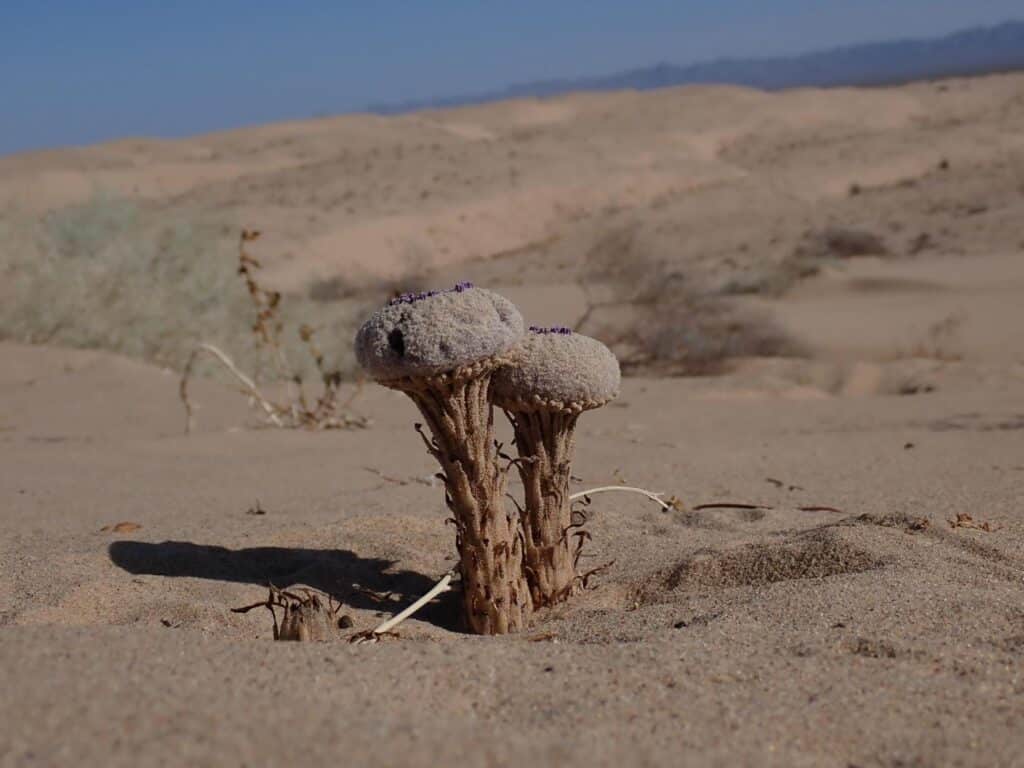
That matters because rare plant issues are rarely just about botany. They can affect CEQA and NEPA analyses, permitting timelines, mitigation requirements, and the confidence that a project can move forward. When surveys are approached early and done at the right time, they help reduce uncertainty and support better planning across the life of a project.
Whether a site is being considered for development, restoration, infrastructure upgrades, or long-term land management, understanding the basics of rare plant surveys can help teams make more informed decisions. Here is a practical look at the ABCs of rare plant surveys and why each step matters.
A Is for Assessment: Understanding the Site Before Fieldwork Begins
The first step is assessing the project area and its biological context. That means reviewing the site itself, the surrounding landscape, and the kinds of habitat conditions that could support special-status plants. It also means carefully reviewing the project footprint so the survey area reflects where impacts could actually occur.
Soar Environmental Senior Ecologist, Casey Stewman M.A., who serves as our lead botanist has studied many sites on the West Coast and the Islands of Hawaii, says early review is vital, “This often includes project plans and disturbance boundaries, habitat types within and near the site, soils, hydrology, elevation, known rare plant records from available databases, and previous biological studies, if available.” It is also often one part of broader biological consulting services and support offered by Soar, especially when a project may need multiple resource evaluations during environmental review.
This step may sound simple, but it shapes everything that comes next. If the initial assessment is too narrow, the survey effort can miss key habitat areas. If it is too broad or disconnected from actual site conditions, teams may spend time and money in the wrong places.
Assessment is also where environmental planning and biology start to overlap. The goal is not just to ask, “What grows here?” It is also to ask, “What needs to be documented here so the project team can plan realistically?”
B Is for Bloom Periods: Why Timing Can Make or Break a Survey
Timing is one of the most important parts of any rare plant survey. Many special-status plants can only be identified confidently during specific blooming or growth periods. Outside those windows, they may be dormant, visually indistinct, or indistinguishable from more common species in the field. That means a survey completed at the wrong time may not provide enough certainty for environmental review or agency confidence.
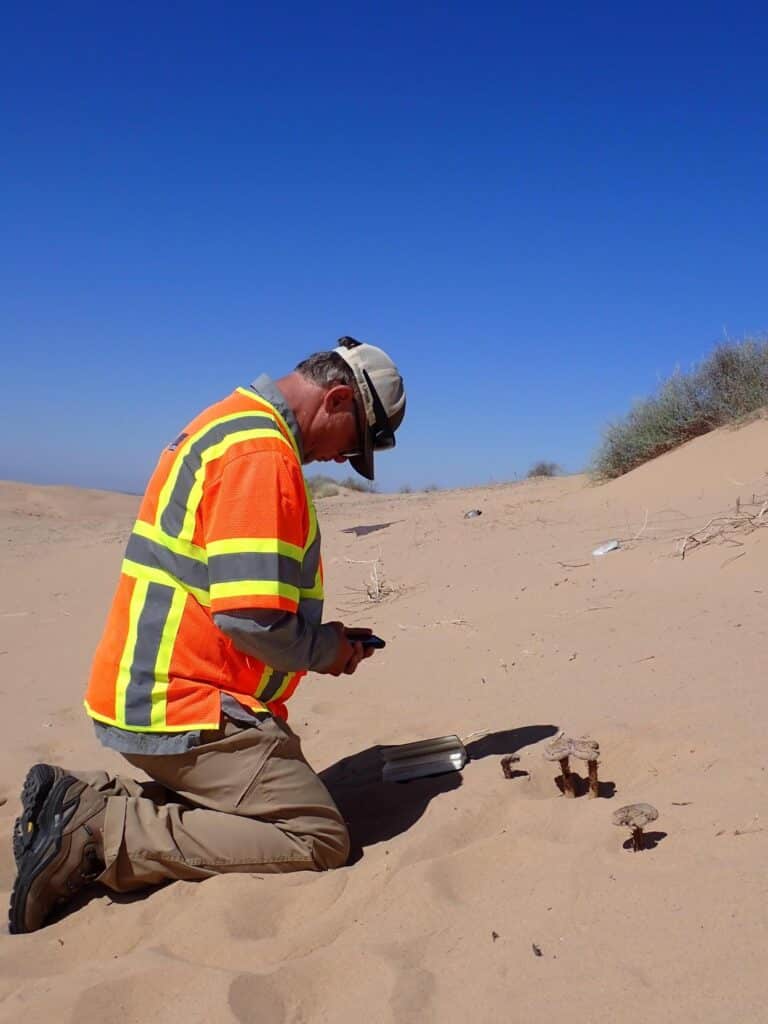
Stewman says, “In California, this can be especially challenging because bloom periods are not fixed. They can shift in response to rainfall, temperature, elevation, soil moisture, and local weather patterns. A dry year can compress the blooming season. A wet winter may change when certain species emerge. Conditions in the foothills may differ from those in the valleys or even along the coastline.”
That is why rare plant surveys are not just about showing up in spring. They are about showing up at the right time for the right species in the right habitat.
For project teams, this has a practical takeaway: if rare plant surveys may be needed, they should be considered early in the scheduling process. Waiting too long can mean missing the appropriate survey window and pushing decisions into a later season. Early coordination with teams handling CEQA and NEPA consulting can also help ensure that survey timing aligns with broader environmental review milestones.
C Is for Coverage: Surveying the Site Thoroughly and Defensibly
Coverage refers to the extent to which suitable habitat is surveyed within the project area. A defensible rare plant survey is not just about visiting the site. It is about documenting that the field effort was thorough enough to support conclusions. That often includes systematic walking patterns, focused review of higher-potential habitat, and clear distinctions between suitable and unsuitable areas.
Good coverage usually involves walking transects through accessible habitat, focusing on microhabitats where rare plants are more likely to occur, mapping habitat boundaries, tracking survey routes, and noting site access constraints where relevant.
This matters because rare plant surveys are often reviewed later by agencies, planners, attorneys, or other consultants who were not there in the field when documentation was completed. The question is not only whether a rare plant was found. It is also whether the survey effort was appropriate for the site and the season.
Thorough coverage helps answer that question. It reduces uncertainty, strengthens reporting, and gives project teams more confidence when biological conclusions are used to support permitting or environmental documentation. In some cases, survey findings may also complement other site review efforts, such as broader environmental inspections used to understand on-the-ground conditions before work begins.
D Is for Documentation: Turning Field Observations Into Usable Project Information
Fieldwork only helps a project if the results are documented clearly. Typical documentation may include field notes and species lists, photographs of habitat conditions, maps showing survey coverage, GPS points for special-status plant occurrences, and a discussion of weather, phenology, and suitable versus unsuitable habitat.
If rare plants are identified, additional details usually matter, such as approximate population size, habitat quality, phenological stage, and proximity to the project footprint. If no rare plants are found, documentation still matters just as much. It shows that the survey was completed appropriately and supports the conclusion that no special-status plants were detected during the relevant survey window.
Clear documentation helps everyone downstream and is only helpful when the observations gathered in the field have become something usable for planners, agencies, and project teams to work from. Clear documentation gives environmental planners better material for the teams managing environmental permit services, provides stronger records to support applications, and informs project managers on whether avoidance, redesign, or mitigation may be needed down the road.
E Is for Evaluation: What the Results Mean for the Project
Evaluation goes beyond listing plant species. It connects biological findings to project decisions. If rare plants are present, teams need to understand the kind of constraint they create, whether impacts can be avoided, and what options may be available if avoidance is not possible. If rare plants are not detected, teams still need to assess whether the survey timing and methods are likely to meet the project’s regulatory requirements.
Evaluation often addresses whether special-status species were observed, whether the site contains suitable habitat, whether survey timing was adequate, whether project impacts are likely, whether avoidance or mitigation should be considered, and whether additional survey effort may be recommended.
This is where practical environmental consulting adds value. A useful survey report does not stop at biology. It helps project teams understand what to do next.
Rare Plant Surveys in a California Project Context
California adds another layer of complexity because the state includes such a wide range of habitat types, elevation bands, microclimates, and regulatory settings. A survey approach that makes sense in one region may not fully translate to another.
Stewman goes on to say that rare plant surveys should be grounded in site-specific conditions, not just generic checklists, “Project teams working anywhere in California benefit from botanical support that understands how survey timing, habitat evaluation, documentation, and compliance expectations come together in the real world.”
That statewide perspective also matters for clients managing projects across multiple regions. Consistency in method and reporting helps teams compare sites, track risk, and keep planning aligned even when habitat conditions differ.
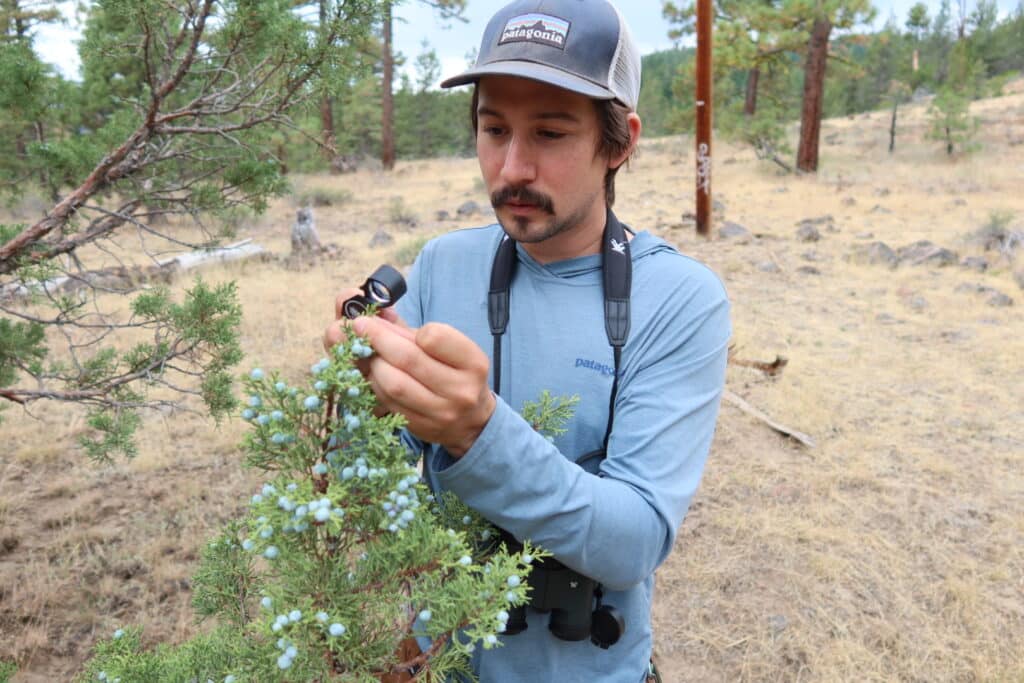
Why Rare Plant Surveys Matter Beyond Compliance
Rare plant surveys may sound highly specialized, but the basics are straightforward, and not just a study for the file. Done well, they become a planning tool that identifies constraints earlier, reduces the risk of last-minute redesigns, supports smoother environmental reviews, improves coordination, and makes permitting discussions more predictable. This is especially important for projects in land development, infrastructure, property due diligence, and real estate development consulting, where environmental issues identified late could have massive budget and schedule consequences.
To sum it up, the Soar team starts with a strong site assessment. Surveys at the right time. Covering the site thoroughly. Documenting field conditions clearly and evaluating results in a way that supports real project decisions, and your next project will be a success.