Cultural resource compliance is a crucial aspect of any development project, and developers must be aware of the importance of conducting thorough assessments to ensure both legal compliance and sustainable development. It ensures that developments comply with federal, state, and local regulations and promotes responsible and ethical development practices that respect the cultural heritage of communities and protect important archaeological sites.
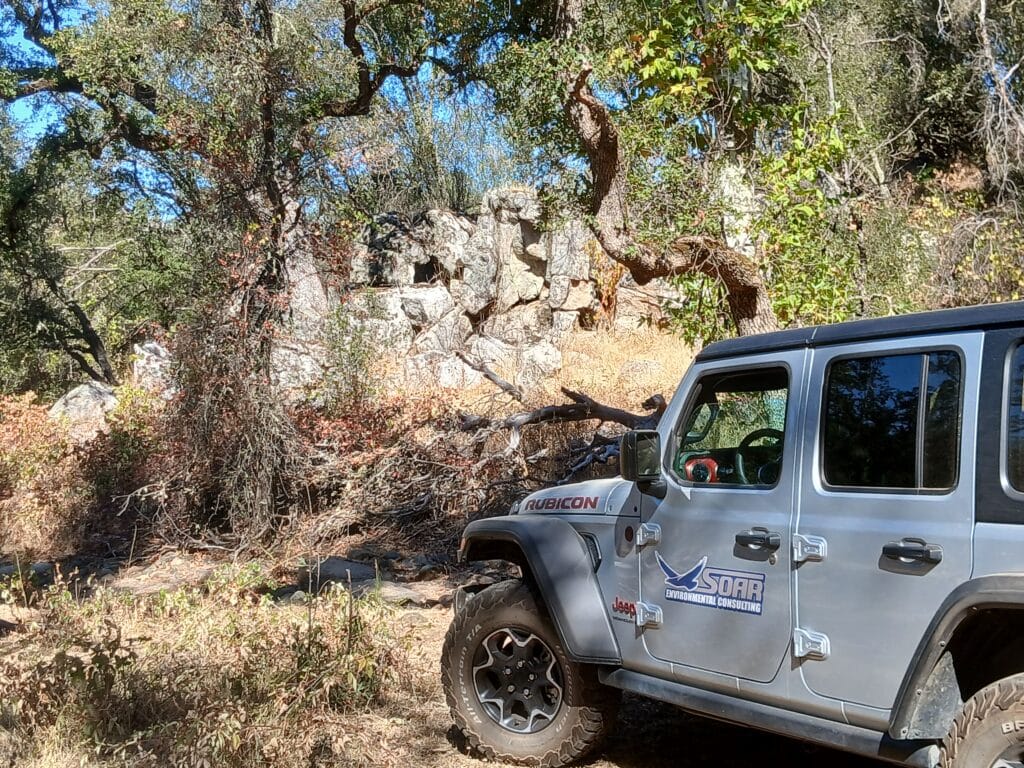
In this article, our Soar Environmental archaeology team shares the significance of cultural resource compliance and its crucial role in promoting sustainable development.
Regulatory Frameworks Governing Cultural Resources
Cultural resources, including historic structures, archaeological sites, and traditional landscapes, are essential to preserving our shared heritage and contribute to economic vitality through tourism and recreation. In the development context, California and federal regulatory frameworks require government agencies to evaluate historic properties and mitigate any adverse impacts associated with them. The following are four key regulations that guide cultural resource compliance, especially for federal projects involving federal funds or permits.
California Environmental Quality Act (CEQA – pronounced See-Kwa)
CEQA requires lead agencies to assess and mitigate the environmental impacts of development projects, including those on cultural and historic resources. Under CEQA, a project must consider any effect on a significant and distinguishable entity, such as a landmark property or site that may meet National Register criteria. Coordination with the State Historic Preservation Office is required to ensure that resources possessing high artistic value or having made a significant contribution to history are preserved.
National Environmental Policy Act (NEPA)
The National Environmental Policy Act requires federal agencies to assess the environmental impacts of their actions, including effects on culturally significant sites. For federal projects, NEPA integrates with the NHPA to ensure cultural resources are considered before ground-disturbing activities begin. This process helps preserve resources eligible for the National Register of Historic Places or other national registries.
Section 106 of the National Historic Preservation Act (NHPA)
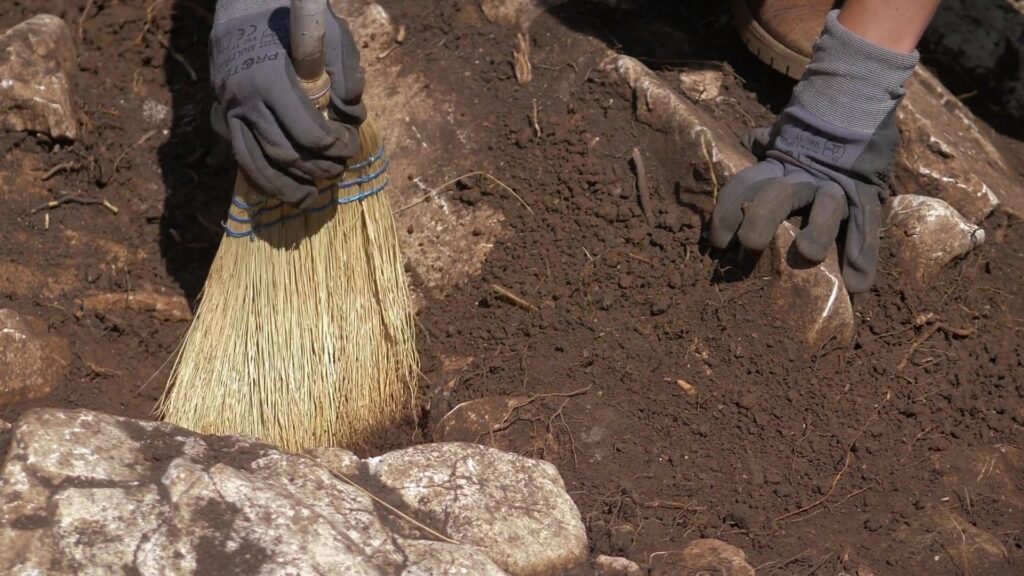
Section 106 requires federal agencies to identify and evaluate historic properties that may be affected by their undertakings. It includes consulting with the State Historic Preservation Office and other stakeholders to determine whether proposed actions could alter or destroy resources associated with persons significant to history or places. The federal agency must explore alternatives to avoid or mitigate harm if adverse effects are identified.
Assembly Bill 52 (AB 52)
Unique to California, AB 52 amends CEQA to require tribal consultation when projects may affect tribal cultural resources. Lead agencies must notify and consult with Native American tribes early in the process, ensuring tribal input receives further consideration alongside input from the State Historic Preservation Office. The law protects sacred sites and promotes meaningful coordination with tribal governments.
Phase I Cultural Resources Assessment
The Phase I Cultural Resources Assessment is crucial in identifying and evaluating potential cultural resources that may be impacted by development projects. Soar Environmental Senior Registered Professional Archaeologist, Heather Froshour, says, “This assessment plays a crucial role in protecting and preserving the cultural heritage of Native American tribes and other communities with significant ties to ancestral lands.” In this section, we will discuss the importance of Phase I assessments and their role in promoting collaboration and communication between state agencies and tribal governments.
Objective
A Phase I assessment aims to identify and document cultural resources within the project’s area that could potentially impact structures, sites, objects, or landscapes with significant ties to ancestral lands and cultural significance for tribal communities. Froshour continues, “By conducting a thorough Phase I assessment, state agencies and tribal governments can work together to preserve and protect these resources while allowing for responsible development. The documentation process also facilitates a deeper understanding of the area’s history and cultural heritage, fostering collaboration and communication among all parties involved in development project decision-making processes.”
Key Components
Conducting a cultural resources assessment involves several key components, each of which is vital to the project’s success. These components include a records search through the California Historical Resources Information System (CHRIS), which provides valuable information on historical sites and structures in the area. The next step is to conduct a search of the sacred lands file via the Native American Heritage Commission (NAHC) to identify any potential impacts on indigenous communities. In addition, pedestrian surveys are conducted to identify surface-level cultural resources that may not be documented in existing records. This information is then compiled into a comprehensive technical report, detailing the findings and recommendations for further action.
Inspecting the property being considered for a Phase I ESA is critical, allows for visual observations of the site’s current state, and identifies possible concerning factors. Additionally, it provides an opportunity to gather information from various stakeholders such as property owners, tenants, local government officials, and neighboring properties, which can provide valuable insights into the property’s history and potential environmental risks.
Phase II Cultural Resources Evaluation
Phase II cultural resources evaluation is a critical aspect of the planning process for any development project. This phase involves a detailed assessment of the project’s potential impact on cultural and historic resources in the surrounding area. Let’s discuss the importance of this evaluation and how to conduct it effectively.
Objective
The main objective of conducting a Phase II cultural resources evaluation is to identify and assess the potential impacts of a development project on cultural and historic resources in the surrounding area. This includes identifying potentially significant cultural resources, such as archaeological sites, historic buildings, or culturally significant landscapes. By conducting this evaluation, planners can determine if the proposed project may adversely affect these resources and develop strategies to mitigate or avoid these impacts.
Evaluation Criteria
During Phase II of the evaluation process, assessing a site’s eligibility for listing in the National Register of Historic Places (NRHP) or California Register of Historical Resources (CRHR) is essential. This requires a thorough understanding of the criteria set forth by these registers and careful examination of the resources’ historical significance and integrity. Additionally, evaluating the context in which these resources exist is essential to fully understanding their cultural and historical value.
Outcomes
Determining a resource’s significance involves evaluating its cultural and historical value, as well as considering potential sensitivities surrounding its use and management. Once this evaluation has been completed, recommendations can be made to avoid any negative impacts on the resource, preserve it for future generations, or implement mitigation measures to reduce potential harm. Careful consideration and thorough evaluation are key in determining the best course of action for managing and preserving resources with significant cultural and historical value.
The Role of Professional Archaeological Consultants
Archaeological consultants are environmental consultants and are essential in cultural resource management. These experts possess specialized knowledge and skills for correctly identifying, evaluating, and protecting cultural resources. This section will discuss the various services provided by professional archaeological consultants.
Expertise and Services
Archaeological consultants provide a wide range of expertise and services to support the management and preservation of cultural resources. These services can include:
- Phase I and II Assessments: This is the initial stage of archaeological investigations, which involves surveying an area to determine the presence of cultural resources. Phase I assessments involve research, literature reviews, and on-site field surveys to identify potential cultural resources. Phase II assessments go deeper into investigating specific areas identified as having high potential for cultural resources.
- Facilitation of Tribal Consultations and Section 106 Compliance: Archaeological consultants also assist in facilitating tribal consultations and complying with Section 106 of the National Historic Preservation Act. This involves working closely with Native American tribes to identify and protect culturally significant sites.
- Cultural Resource Surveys: To identify and protect cultural resources, archaeological consultants conduct surveys of areas where development or other activities may disturb these resources. These surveys involve fieldwork and research, using ground-penetrating radar, remote sensing, and archival research.
- Artifact Analysis: After excavating a site, archaeological consultants analyze the recovered artifacts to gain a deeper understanding of the area’s people and cultures that once inhabited it. This analysis can include techniques such as typology, seriation, and radiocarbon dating.
Benefits to Developers
Archaeology can offer a range of benefits to developers across various industries. One significant benefit is the assurance of regulatory compliance, which can help avoid costly project delays. Archaeologists can identify potential issues or conflicts with local or federal laws and regulations by thoroughly investigating and analyzing cultural resources on a development site. This allows developers to address these concerns early on and create effective mitigation strategies to protect cultural resources while progressing with their project.
Summary
Developers can protect valuable cultural resources and promote sustainable development by understanding and complying with environmental regulations such as CEQA, NEPA, AB 52, and Section 106. They can streamline compliance and succeed in their projects by integrating cultural resource considerations into project planning and collaborating with qualified archaeological consultants. With proper planning and cooperation, developers can effectively navigate the complex landscape of environmental regulations and contribute to preserving cultural heritage for future generations.