
You’re planning a new utility line. The proposed route looks workable until an archaeological records search identifies a known site near the planned trench. Could excavation affect the site, and would that change where your crews can work?
For California developers and public agencies, cultural resources technical reporting helps answer questions like these before construction begins. Archaeologists investigate the project area and prepare reports that can influence design decisions and environmental review.
The three phases of technical reporting are unique, and your project may not need all three. Knowing what potential constraints may lie ahead will allow you project to move forward on schedule. At Soar, our archaeological consulting team supports developers, large and small, and public agencies throughout California.
How Cultural Resources Technical Reporting Guides Project Decisions
Examples of cultural resources include archaeological sites, historic buildings, and places important to Native American tribes.
For archaeological sites, investigations follow a process with up to three phases, depending on what the project requires. Phase I documents what’s found during the initial investigation, and Phase II examines whether a site has historical significance. If construction can’t avoid a significant site, Phase III addresses careful excavation to preserve information about its history.
Some types of cultural resources require specific studies or protective measures. For example, a place valued by a tribe may require consultation even when an archaeological survey doesn’t find artifacts.
Similarly, a recommendation to protect an archaeological site could lead designers to move an access road. The project’s environmental consulting team would then evaluate whether the revised route would affect nearby wildlife habitats or waterways before the design was finalized.
Phase I: Identifying Archaeological Resources Before Construction
A Phase I archaeological survey starts with a review of what’s already known about the project area. Archaeologists examine historical maps, previous studies, and records of known sites to identify places where past activity may have left evidence. They then compare that information with construction plans to determine where fieldwork is needed.
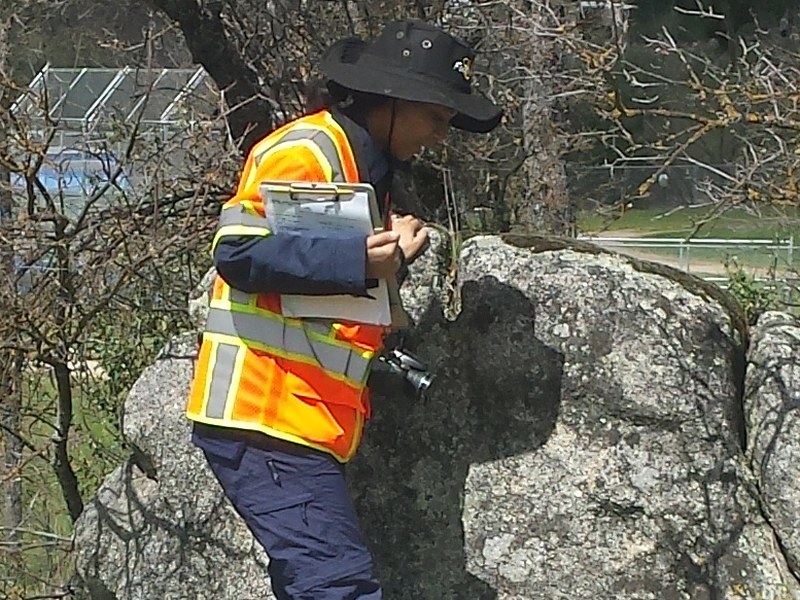
During fieldwork, archaeologists walk accessible areas looking for signs of past activity, such as stone tools, historic debris, or remains of older structures. They also document where vegetation, pavement, or other conditions make the ground difficult to examine. These limitations matter because additional investigation may be needed in areas that couldn’t be adequately surveyed.
The archaeological survey report documents where the team worked, the methods used, and any findings. Maps and photographs show how recorded resources relate to proposed construction areas, while recommendations identify places that may need further study. For transportation projects involving Caltrans, specific reporting requirements often apply.
Consider a new transmission line that crosses land disturbed by earlier construction. Archaeological deposits may still remain beneath the surface along the utility corridor. This report helps the project team determine whether planned trenching could affect a known site and where additional investigation may be needed.
When a potentially significant site overlaps planned excavation, the report may recommend an evaluation.
Phase II: Evaluating Archaeological Findings and Their Significance
Finding an archaeological site raises a more detailed question: Does it have historical significance? A Phase II archaeological evaluation looks more closely at the site’s condition and its connection to past activity. Archaeologists excavate small test areas to examine buried materials and use historical records to help interpret what they find.
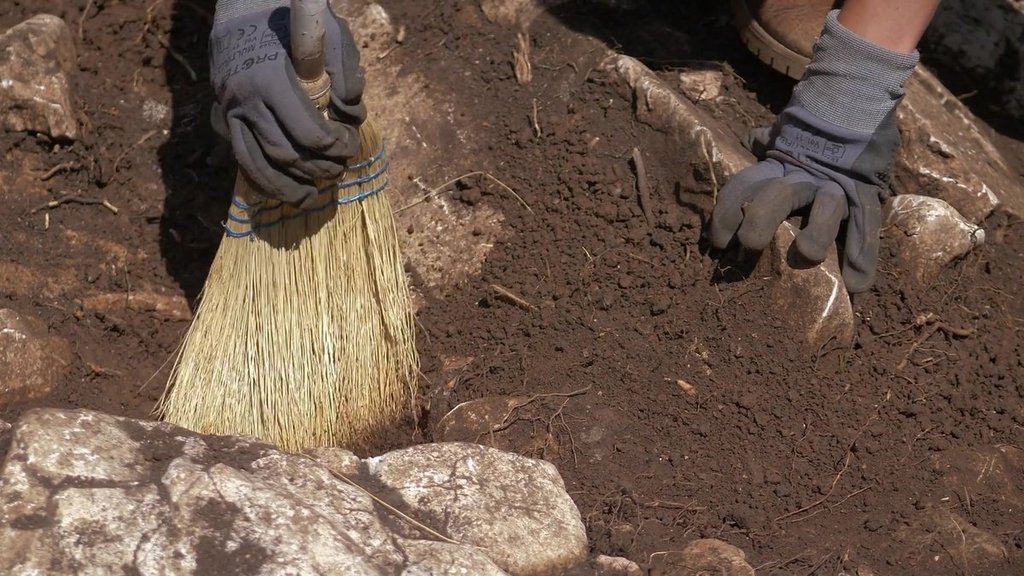
The goal is to assess whether the site meets the criteria for the California Register of Historical Resources or the National Register of Historic Places. Investigators consider how much of the site remains intact and whether it holds important information about the past. Their report explains the evidence behind the evaluation and recommends how the findings should be addressed in project planning.
For federally involved projects, National Register eligibility helps determine whether a site is treated as a historic property during federal review. The responsible agency uses the findings to consider how the proposed work could affect the site.
Suppose a commercial development includes a loading yard planned over an archaeological deposit. Testing may reveal buried features that provide important information about the site’s history. With that evidence, a developer might shift the yard to protect the site before finalizing construction plans.
Phase III: Documenting Archaeological Sites When Impacts Can’t Be Avoided
During an evaluation, teams may find that a significant archaeological site lies within an area planned for excavation. Sometimes, the design can be adjusted to protect the site. If construction can’t avoid it, Phase III data recovery allows archaeologists to study the affected area before it’s disturbed.
The work begins with a data recovery plan that outlines what archaeologists hope to learn and how they’ll investigate the site. During excavation, they carefully document where artifacts are found and the layers of soil surrounding them. An artifact’s location can reveal details about past activities that the object alone wouldn’t provide.
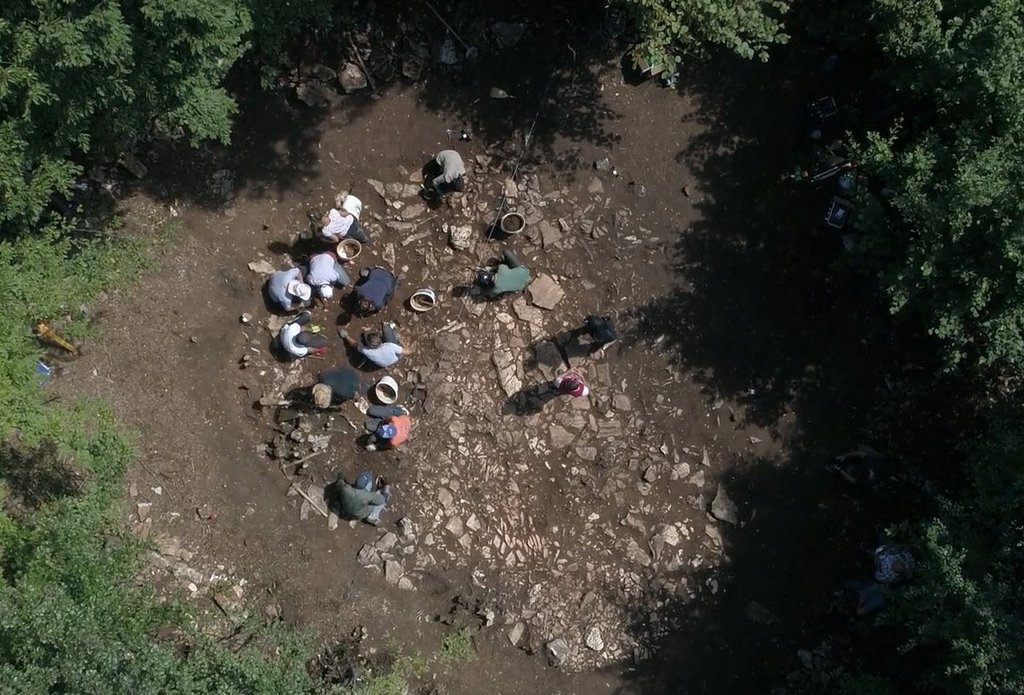
After excavation, specialists examine recovered materials alongside historical records to interpret their findings. This technical report documents the investigation and explains what archaeologists learned about the site, including how recovered artifacts and field records will be preserved for future research.
Consider a new bridge foundation planned over part of a significant archaeological site. If the affected area can’t be avoided and data recovery is approved, archaeologists can investigate it before foundation work begins. Their findings help preserve information about the site’s history that construction would otherwise destroy.
Some cultural places have significance that extends beyond the physical artifacts found there. When excavation is inappropriate, decisions must account for the cultural importance of the site and include tribal consultation if applicable.
From an Archaeological Discovery to a Community Gathering Space
The Chukchansi Indian Housing Authority faced a tight deadline for a 64-acre housing project that included renovating existing rental homes and building new housing. Federal funding was set to expire in two months, and cultural resources studies were needed for the environmental assessment.
Soar completed Phase I and Phase II cultural assessments for the housing development. During fieldwork, our archaeologist discovered previously unidentified prehistoric cultural resources that earlier surveys by other firms hadn’t found.
Our team consulted with the Tribal Historic Preservation Officer for the Picayune Rancheria of Chukchansi Indians and the State Historic Preservation Officer. The findings informed avoidance and mitigation measures, and the developer incorporated the culturally significant area into the design as a focal point and gathering space for the new community.
Soar completed the required work within the two-month window, helping the project retain its funding while protecting the archaeological site.
Building Cultural Resources Work Into Your Project Schedule
Before archaeological fieldwork begins, give the team plans showing all areas where crews expect to disturb the ground. Include the main construction site as well as access roads, staging areas, utility trenches, and grading limits. Leaving out a temporary work area can mean another survey is needed after construction dates have been set.
An archaeological report may be finished before every approval is in place. On federally involved projects, Section 106 compliance may require further agency consultation. Qualifying California projects may also involve tribal cultural resources consultation under AB 52. Soar’s CEQA/NEPA consulting team will help identify which steps must be completed before crews enter an affected area.
Construction plans may also change after a survey. On large public agency projects, a revised utility trench or access road could fall outside the area archaeologists examined. Share updated drawings with the archaeology team so they can determine whether additional fieldwork is necessary before construction proceeds.
Carrying Archaeological Findings Into Construction
Findings from archaeological studies lead to specific requirements for construction crews. Before excavation begins, supervisors need to know which areas require protective fencing or an archaeologist on site. Crews also need instructions about when to stop work and whom to contact if they uncover possible cultural materials.
For example, along a large utility or transportation corridor, one segment may call for cultural resource monitoring during trenching, while another only requires crews to stay outside a marked protection area.
Put Cultural Resources Findings to Work
Cultural resources technical reporting helps your team determine which archaeological sites may be affected by construction and whether further investigation or protection is needed. The findings influence project design and the steps crews take to protect sensitive areas during construction.
California’s archaeological sites hold important information about past communities, and some remain significant to Native American tribes today. At Soar Environmental Consulting, our veteran-owned team provides archaeological investigations and technical reporting for developers, infrastructure owners, and public agencies throughout California.
If you’re planning excavation, grading, or other ground disturbance where archaeological resources may be present, talk with our team about the studies and reporting your project needs.